Can a Credit Union Employee Submit a FinCEN Whistleblower Tip?
Yes. A credit union employee can submit information to the U.S. Department of the Treasury’s Financial Crimes Enforcement Network (FinCEN) about possible violations of the Bank Secrecy Act (BSA) and related anti-money-laundering laws. An employee does not have to wait for a credit union to file a suspicious activity report (SAR) or finish an internal investigation before contacting the government.
That does not mean every concern qualifies for an award, or that an employee should copy confidential records and send them to a personal email account. The safest approach is to understand the difference between a FinCEN whistleblower tip and a SAR, preserve facts lawfully, and consider getting advice from a lawyer experienced in whistleblower matters.
This article explains what FinCEN does, how credit union BSA compliance and suspicious activity reporting work, what kinds of conduct may be reportable, and how to prepare a useful tip. It offers general information, not legal advice.
What Is FinCEN?
FinCEN is a bureau of the U.S. Department of the Treasury. It administers key parts of the BSA, collects and analyzes financial data, and supports law enforcement and regulatory efforts to detect and prevent money laundering and other financial crimes. FinCEN also issues rules and guidance for financial institutions, including credit unions.
The BSA is a framework of laws and regulations that requires financial institutions to maintain certain records, monitor for suspicious activity, and report specified information to the government. For a credit union, meeting those obligations is part of its AML program requirements. The National Credit Union Administration (NCUA), state regulators, and other authorities may also have supervisory or enforcement roles, depending on the institution and the issue.
FinCEN’s whistleblower program provides a channel for people to share information about possible violations within its jurisdiction. FinCEN’s program page explains how to submit information and outlines potential awards and protections. Requirements can change, so review the current instructions at fincen.gov/whistleblower-program before acting.
Can an Employee Report Concerns Outside the Credit Union?
Generally, an employee may provide information to FinCEN about suspected BSA violations. Internal escalation—such as raising an issue with a BSA officer, compliance department, hotline, or board committee—may be appropriate, and an employer may have internal reporting procedures. But an internal process is not necessarily a substitute for contacting a government agency.
Employees should not assume that reporting internally is required before contacting FinCEN, or that an internal report automatically protects them. The details matter, including what the employee knows, how the information was obtained, what laws apply, and whether the person meets the program’s eligibility rules. Anti-retaliation protections may be available under applicable law, but they do not eliminate all practical or legal risks.
A whistleblower tip is also different from filing a SAR. A credit union generally has the responsibility to determine whether a SAR is required and to submit it through the proper channel. An employee should not try to submit a SAR as if acting for the institution unless authorized and following its procedures. A FinCEN tip is a way for an individual to provide information about possible misconduct; it does not replace the credit union’s reporting obligations.
BSA and SAR Reporting Basics
Credit unions subject to BSA requirements generally need an AML program appropriate to their risks. Program elements commonly include internal controls, independent testing, a designated compliance officer, and training for appropriate personnel. Institutions also have recordkeeping and reporting duties, including obligations related to certain transactions and suspicious activity.
A SAR is a confidential report a financial institution files with FinCEN when it knows, suspects, or has reason to suspect activity that meets applicable reporting criteria. SAR rules can cover suspected criminal activity, transactions designed to evade BSA requirements, and activity with no apparent lawful purpose that the institution cannot reasonably explain after examining available facts. Filing thresholds and other requirements depend on the activity and the institution’s circumstances.
SAR confidentiality is important. Federal law generally prohibits a financial institution and its employees from disclosing that a SAR was filed, or from revealing information that would disclose a SAR’s existence, subject to legal exceptions. Employees should not tell a customer that a SAR was filed, share SAR materials casually, or include SAR details in a tip in a way that risks unlawful disclosure. If you are unsure what information you may share, consult counsel or the institution’s designated compliance contact before disclosing it.
What Conduct Might Be Reportable?
A FinCEN tip may be relevant when it provides specific, credible information about a possible violation of the BSA or other laws within FinCEN’s whistleblower program. Examples can include alleged failures involving AML program requirements, recordkeeping, transaction reporting, or suspicious activity reporting. An error or disagreement with a compliance decision is not, by itself, proof of a violation. The facts, applicable rules, and surrounding circumstances matter.
Possible concern What could make it relevant What to document carefully Repeated failure to investigate apparent red flags Patterns suggesting the institution ignored meaningful indicators rather than applying a reasonable risk-based process Dates, transaction patterns, escalation steps, and responses you personally observed Pressure to suppress or alter reporting Instructions to omit material facts, falsify records, or avoid reporting for an improper reason Exact words where remembered, who said them, when, and any lawful records supporting the account Weak or ineffective AML controls Evidence that required controls were absent, knowingly bypassed, or not addressed despite documented problems Control gaps, prior notices, remediation decisions, and the scope of what you know firsthand Recordkeeping or reporting concerns Possible failure to maintain required records or meet applicable reporting obligations The relevant process, transactions, deadlines, and whether you know the facts directly or indirectlyThese are examples, not a checklist that determines whether a violation occurred. For instance, a SAR decision can involve judgment, and a decision not to file does not automatically establish misconduct. A tip is stronger when it identifies the conduct and supporting facts rather than asserting a conclusion such as “the credit union is laundering money.”
Preparing a High-Quality FinCEN Whistleblower Tip
Before submitting information, separate what you saw from what you heard. That distinction helps investigators assess reliability and prevents secondhand accounts from being presented as firsthand knowledge.
- Identify the conduct. Describe the suspected activity in plain language. Identify the relevant business area, approximate dates, and people or roles involved, if known. Avoid guessing about motives.
- Build a factual timeline. Note when events occurred, what happened, who was present, and what you did afterward. Mark dates as approximate when they are not exact.
- Label the source of each fact. Use clear wording such as “I reviewed,” “I attended,” or “A colleague told me.” Distinguish personal observation from documents you lawfully accessed and from information relayed by someone else.
- Explain why the issue may matter. Connect the facts to the possible reporting, recordkeeping, or AML program concern without claiming that a legal violation is already proven. If you know of prior warnings or corrective actions, describe them factually.
- Preserve information lawfully. Do not access systems you are not authorized to use, remove original records, forward restricted files to personal accounts, or take customer data simply because it might be useful. Ask a lawyer how to handle sensitive or institution-owned material and what can be shared.
- Review submission instructions. Use FinCEN’s current whistleblower program page and follow its directions. Consider whether to speak with counsel before submitting, particularly if you have access to SAR-related materials, customer information, or privileged communications.
Keep a paper trail: Maintain a secure, lawful record of your own reporting steps, including dates, whom you contacted, and any reference or confirmation information. Do not create a duplicate archive of confidential institutional or customer records unless a lawyer advises that it is lawful and necessary.

Protecting Confidentiality and Managing Workplace Risk
Whistleblower programs may have confidentiality provisions, but no employee should assume that anonymity is guaranteed in every AML whistleblower situation. Information in a tip, the https://technivorz.com/how-do-i-keep-records-of-what-i-submitted-to-fincen/ surrounding facts, or later investigative steps may reveal a source. FinCEN’s current materials and a qualified lawyer can help explain how identity protections and exceptions apply.
Retaliation concerns are also fact-specific. Keep records of relevant workplace events, such as changes in duties, discipline, threats, or performance reviews, but do so without taking materials you are not entitled to retain. If you believe retaliation is occurring, promptly seek legal advice about applicable deadlines and reporting channels. Do not rely on a general article to calculate a filing deadline.
Keep a paper trail: Record dates and the substance of workplace interactions in a secure place you are permitted to use. Preserve communications you lawfully possess, and avoid recording conversations or copying files without first checking the law and your workplace rules.
Potential Awards: No Guarantee
FinCEN’s program may provide monetary awards to eligible whistleblowers in qualifying cases, subject to statutory requirements and program rules. Awards are not automatic. Eligibility may depend on the information provided, the person’s role and conduct, whether the information is original or otherwise qualifies, and whether the government obtains a qualifying monetary sanction. The program page describes the applicable criteria, including the minimum sanction threshold and potential award range. Check the current page rather than relying on summaries or promises from others.
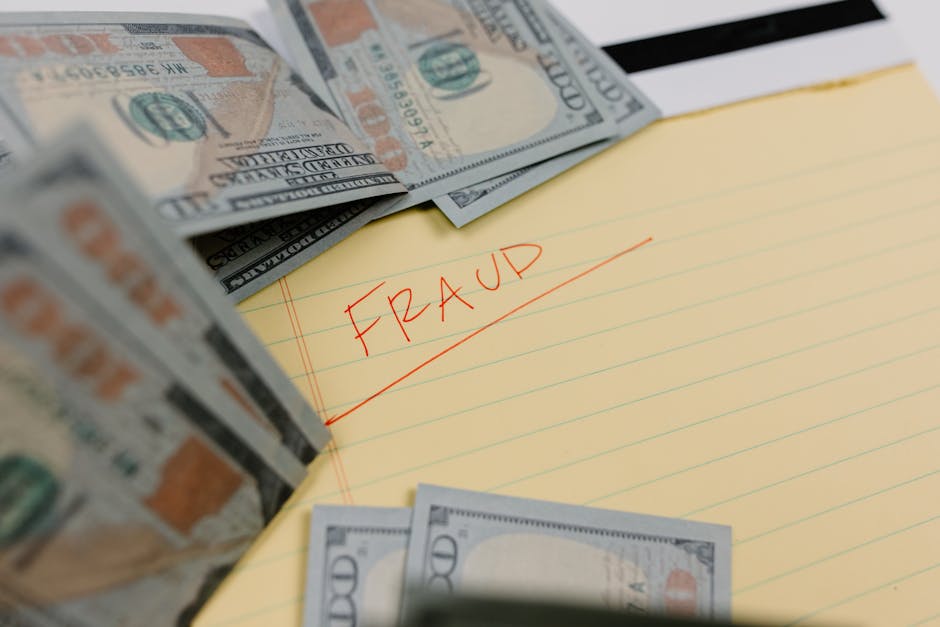
Do not assume that an employee will qualify simply because they report a concern, or that a specific award amount or outcome is assured. A lawyer can assess how the program’s rules may apply to an individual’s circumstances.
Training and Practical Support
Employees looking to strengthen their understanding of AML concepts can review training resources from the Association of Certified Anti-Money Laundering Specialists (ACAMS) at acams.org. Training can help explain common financial-crime risks and compliance practices, but it is not a substitute for legal advice or for the credit union’s policies and regulatory guidance.
Bottom Line
A credit union employee can submit a FinCEN whistleblower tip about suspected BSA-related misconduct. The most useful tip is factual, specific, and careful about the line between firsthand knowledge and hearsay. Keep it separate from the institution’s SAR process, respect SAR confidentiality and customer privacy, and do not remove or transmit sensitive records without considering access rights and legal restrictions. Review FinCEN’s current instructions, consider speaking with experienced counsel, and keep a paper trail of your own reporting steps.